


Outdoor play for all ages
Why is outdoor play so important to young babies?
Outdoor Play for Babies: Nature’s First Classroom
Even the tiniest explorers benefit greatly from spending time in the great outdoors. While babies aren’t building treehouses just yet, the sights, sounds, and sensations they experience outside lay a foundation for healthy development in so many ways:
Physical Development
- Tummy time on grass encourages strength in neck and core muscles.
- Natural light helps regulate sleep-wake cycles and boosts vitamin D.
- Fresh air and movement support lung development and cardiovascular health.
Sensory Stimulation
- New textures and temperatures (breeze, grass, sunshine) wake up baby’s tactile senses.
- Sounds of birds, leaves, and water engage auditory processing in a gentle, non-overwhelming way.
- Shifting light and colour help with visual tracking and depth perception.
Cognitive and Emotional Growth
- Unstructured time outside supports curiosity and early problem-solving (“How does this leaf feel?”).
- Exposure to nature has calming effects, even for infants, helping regulate moods and reduce fussiness.
- Bonding through shared outdoor experiences with caregivers strengthens emotional security
Social Interaction
- Even if they’re just watching other children or dogs pass by, outdoor play helps babies begin to observe and interpret social cues.
- It also creates opportunities for caregivers to talk and engage more naturally, building language skills.
Outdoor Play for Pre-Walkers: Building Brains Before Balance
Even before babies take their first steps, the outdoors plays a vital role in shaping their development. For pre-walkers—those who crawl, scoot, roll, or simply lie on a blanket watching the breeze—nature becomes a rich learning space that sparks curiosity and growth from the ground up.
Physical Benefits
- Muscle development: Uneven terrain and changing surfaces like grass or sand challenge babies’ core strength and coordination—even just crawling or sitting.
- Motor exploration: Reaching for leaves or crawling toward sunlight boosts spatial awareness and movement confidence.
- Fresh air and sunlight: Helps regulate sleep cycles and strengthens bones with natural vitamin D.
Sensory Discovery
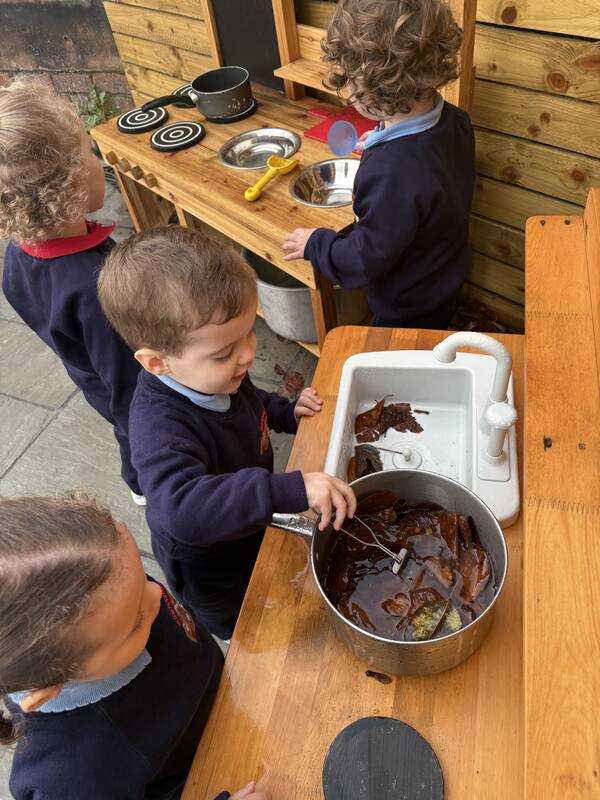
- Textures galore: From squishy mud to crunchy leaves, nature offers a spectrum of sensory experiences that support tactile learning.
- Natural sounds: Chirping birds, rustling branches, and distant dogs stimulate auditory processing without overwhelming tiny ears.
- Smells and colours: New scents like flowers or soil, plus changing skies and greenery, sharpen visual and olfactory senses.
Cognitive Growth
- Cause and effect learning: Touching water makes ripples, leaves crunch under fingers—these small experiments build early thinking skills.
- Attention span and focus: Nature’s unpredictable patterns (a bug crawling, cloud movement) help develop sustained attention.
Emotional & Social Impact
- Calming effect: Even brief exposure to greenery and sunlight reduces fussiness and promotes emotional regulation.
- Bonding opportunities: Caregivers naturally engage more during outdoor time—talking about nature, sharing laughter, making eye contact.
- Foundation for curiosity: Outdoor experiences help form a “mental map” of the world, cultivating wonder and interest in exploration.
Even for the tiniest ones, the outdoors isn’t just a setting—it’s a sensory-rich, nurturing world that speaks their language before they learn to speak ours.
Outdoor Play for Toddlers: Where Big Little Adventures Begin
Toddlers are walking, wobbling bundles of curiosity—and the outdoors is their ultimate discovery zone. Beyond the fresh air and sunshine, outdoor play meets toddlers exactly where they are developmentally: full of energy, eager to explore, and learning through their senses and movement.
Physical Growth
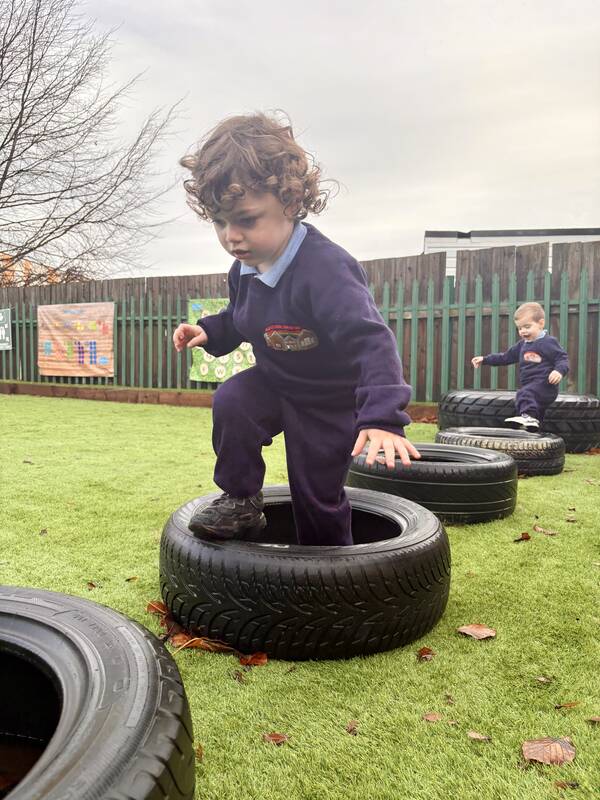
- Gross motor development: Running, jumping, climbing, and balancing on uneven surfaces builds strength, coordination, and confidence.
- Fine motor skills: Picking up pebbles, stacking sticks, or digging in the dirt refines hand-eye coordination.
- Health and vitality: Sunlight boosts vitamin D and outdoor movement promotes better sleep, appetite, and overall wellness.
Cognitive and Problem-Solving Skills
- Open-ended exploration: Nature provides endless “what if?” opportunities: “What happens if I pour water on this?” or “Can I climb over that log?”
- Early science concepts: Learning about gravity, textures, temperature, and weather without needing a lesson plan.
- Spatial awareness: Toddlers naturally grasp concepts like “under,” “over,” “between,” and “far” just by moving through space.
Emotional Regulation
- Stress reduction: Outdoor play is soothing—green spaces lower cortisol levels even in young children.
- Freedom of movement: Toddlers have big feelings and big energy; the open outdoors helps them release both in healthy ways.
- Boosts resilience: Trying new things, falling and getting up again, all in the wild world of play.
Social and Language Development
- Shared play: Natural settings encourage cooperative play and turn-taking—even if it’s something as simple as sharing leaves.
- Vocabulary-building: Describing the world around them (“Look! A ladybug!”) introduces new words and concepts.
- Role-play and imagination: Sticks become magic wands, logs become pirate ships—outside play fuels storytelling and pretend play.
Connection with Nature
- Toddlers who spend time outdoors develop a sense of awe, empathy, and comfort with the natural world that can last a lifetime.
Outdoor Play for Preschoolers: Growing Minds in Wild Spaces
By the preschool years, children are bursting with imagination, energy, and budding independence—and the outdoors gives them a stage to flourish. Whether it’s a grassy park or a garden patch, outdoor play offers unmatched opportunities for developmental leaps and joyful learning.
Whole-Body Development
- Gross motor skills take off: Jumping over puddles, climbing trees, pedalling tricycles—all build coordination, strength, and balance.
- Agility and endurance: Long play sessions in open space improve stamina and flexibility far better than indoor settings.
- Risk-taking and body awareness: Preschoolers learn their limits safely—how high to climb or how fast to run—building confidence and control.
Cognitive Growth & Creativity
- Problem-solving: Figuring out how to build a fort with sticks or navigate a hilly trail sharpens thinking and resilience.
- Imaginative play: A patch of dirt becomes a bakery, a stick becomes a wizard’s wand—the outdoors feeds storytelling and abstract thinking.
- Scientific curiosity: They ask questions like “Why do clouds move?” or “Where do bugs sleep?” sparking real learning through exploration.
Language & Social Skills
- Collaborative games: Tag, hide-and-seek, or building something together teaches negotiation, empathy, and sharing.
- Natural conversation: Describing discoveries or role-playing outside helps preschoolers expand vocabulary organically.
- Conflict resolution: Outdoor play often means learning to compromise and solve disputes without adult intervention.
Emotional Wellbeing
- Stress relief: Nature calms busy minds and emotional storms, promoting self-regulation.
- Autonomy and choice: Outside, children often decide what to do and how to do it—boosting independence and motivation.
- Confidence-building: Mastering physical challenges and solving problems boosts self-esteem and joy.
Connection to Nature
- Preschoolers form lasting attitudes about the environment when they play in it—this early bond can grow into lifelong respect and stewardship.
Outdoor play isn’t just recreation—it’s a vital ingredient for growing confident, curious, emotionally healthy little humans.